




Press Machines
Stamping Machine: Overview of Important Equipment in Manufacturing
A stamping machine is an indispensable piece of equipment in many modern industries. Let's find out what a stamping machine is and why it is so important.
Definition of Stamping Machine and Its Role in Industry
A stamping machine is a type of machine tool that uses great force to shape products from metal sheets or other materials. The stamping process involves cutting, bending, shaping, or punching materials using a stamping die.
The role of stamping machines in industry is enormous, specifically:
- Mass Production: Stamping machines allow for the mass production of identical parts quickly and accurately.
- Cost Savings: Compared to other machining methods, stamping is often more cost-effective, especially when producing large quantities.
- High Precision: Stamping machines can produce parts with high precision, meeting the stringent requirements of many applications.
- Material Diversity: Stamping machines can work with many different types of materials, from metals to plastics and composites.
Prominent Advantages of Using Stamping Machines
Using stamping machines offers many significant benefits for businesses:
- Increased Productivity: Stamping machines can quickly mass-produce parts, significantly increasing productivity.
- Reduced Labor Costs: Stamping machines automate many processes, reducing the need for labor.
- Improved Product Quality: Stamping machines ensure the accuracy and uniformity of products, improving quality.
- Minimized Material Waste: The stamping process is optimized to minimize material waste.
- Complex Shaping Capabilities: Stamping machines can create complex shapes that are difficult to achieve with other machining methods.
Basic Structure of a Stamping Machine
To better understand stamping machines, we need to consider their basic structure.
Main Components and Functions of Each Component
A typical stamping machine consists of the following main components:
- Machine Body: The main load-bearing frame of the machine, ensuring stability during operation.
- Motor: Provides power for the machine's operation.
- Crankshaft: Converts the rotational motion of the motor into the translational motion of the stamping head.
- Stamping Head: The part that directly acts on the material, performing the stamping process.
- Stamping Die: The tool for shaping the product, attached to the stamping head.
- Control System: Controls the machine's operation, including speed, pressure, and other parameters.
- Machine Table: The place to put the material to be stamped.
General Operating Principle of Stamping Machines
The operating principle of a stamping machine is as follows:
- The motor transmits rotational motion to the crankshaft.
- The crankshaft converts rotational motion into the translational motion of the stamping head.
- The stamping head with the stamping die acts on the material, shaping the product according to the shape of the die.
- The control system adjusts the machine's operating parameters to ensure the stamping process is accurate and efficient.
Common Classifications of Stamping Machines Today
There are many different types of stamping machines on the market today, each with its own advantages and applications. Let's learn about some common types.
Mechanical Stamping Machine: Advantages and Applications
A mechanical stamping machine is a type of stamping machine that uses a mechanical mechanism (usually a crankshaft) to generate stamping force.
Advantages of a mechanical stamping machine:
- Low Cost: Compared to other types of stamping machines, mechanical stamping machines are usually cheaper.
- Simple and Easy to Use: The simple structure makes mechanical stamping machines easy to use and maintain.
- Fast Stamping Speed: Mechanical stamping machines can achieve high stamping speeds, suitable for mass production.
Applications of mechanical stamping machines: Producing simple, high-volume parts, such as electronic components, household appliances.
Hydraulic Stamping Machine: Outstanding Features and Application Areas
A hydraulic stamping machine uses a hydraulic system to generate stamping force.
Outstanding features of a hydraulic stamping machine:
- Large Stamping Force: Hydraulic stamping machines can generate very large stamping forces, suitable for applications requiring large forces.
- Precise Stamping Force Control: The hydraulic system allows for precise control of the stamping force, ensuring product quality.
- Smooth Operation: Compared to mechanical stamping machines, hydraulic stamping machines operate more smoothly.
Application areas: Producing large, complex parts, such as car bodies, aircraft components.
Other Types of Stamping Machines (Pneumatic, Servo...): Comparison and Selection
In addition to mechanical and hydraulic stamping machines, there are other types of stamping machines, such as pneumatic stamping machines and servo stamping machines.
- Pneumatic Stamping Machine: Uses compressed air to generate stamping force. Often used for applications requiring small stamping forces and high speeds.
- Servo Stamping Machine: Uses a servo motor to control the stamping force. Has high precision, flexible control capabilities, suitable for applications with high requirements for quality and accuracy.
The choice of which type of stamping machine to use depends on the specific requirements of the application, including the required stamping force, accuracy, speed, and cost.
Wide Application of Stamping Machines in Life and Production
Stamping machines play an important role in many areas of life and production.
Production of Automobiles, Motorcycles, and Other Transportation Vehicles
In the automotive industry, stamping machines are used to produce parts such as:
- Car bodies
- Car frames
- Interior parts
Stamping machines ensure the accuracy and durability of these parts, contributing to the safety and quality of vehicles.
Machining of Household Appliances, Electronic Devices
Stamping machines are widely used in the production of household appliances and electronic devices, such as:
- Refrigerator, washing machine casings
- Computer, phone frames
- Electronic components
Applications in the Construction Industry and Other Fields
In the construction industry, stamping machines are used to produce products such as:
- Roofing sheets
- Formwork
- Metal parts
In addition, stamping machines are used in many other fields, such as the production of toys, medical equipment, and other consumer products.
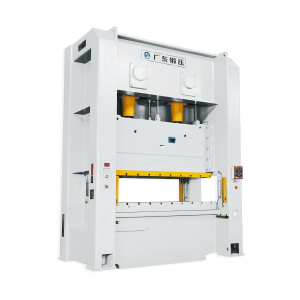
Guangduan STPP double crank press


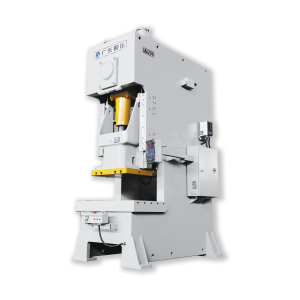
Guangduan JH21 Mechanical Press
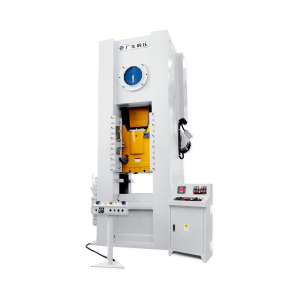
Guangduan JH31 press
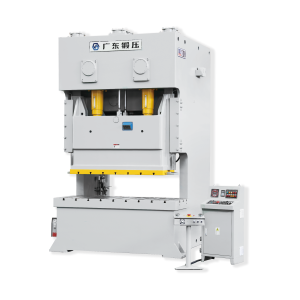
Guangduan JH25 Mechanical Press
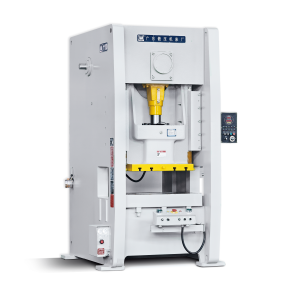
Guangduan SSP press machine
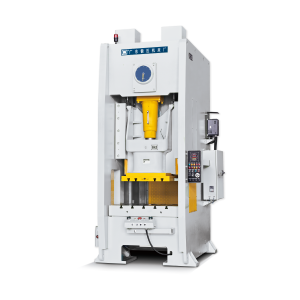
Guangduan SSP(L) Press
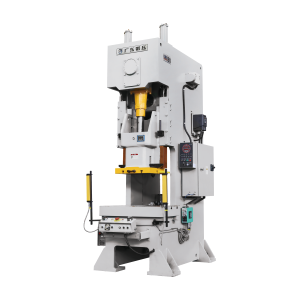
Guangduan JH21DP Press
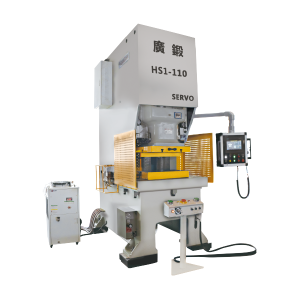
Guangduan HS1 Servo Press