


Advanced Stamping Technology for
Motor Stator & Rotor Cores
Increase magnetic flux density – reduce core loss – ensure stable mass production. Integrating high-speed stamping presses + progressive dies + automatic interlocking to create a competitive advantage for your factory.
1. Overview & Benefits
Motor cores (static stator & rotating rotor) are the foundation of electro-magnetic energy conversion. The core's efficiency determines the entire motor's performance. Optimization requires the right materials, optimal magnetic permeability, and controlled core loss.
High automation • Stable dimensions • Long die life • Ideal for mass production • Optimized cost per cycle.
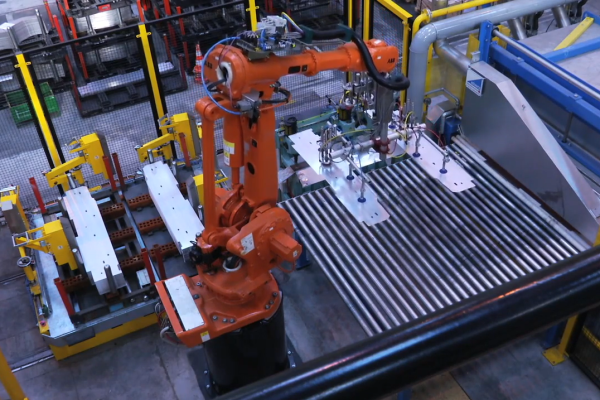
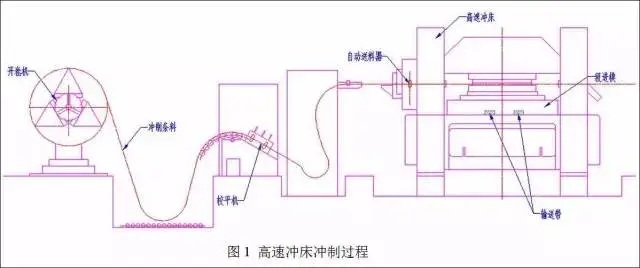
Automated Process on a High-Speed Press
- ✓Feeding → stamping → forming → interlocking → finished core output
- ✓Multi-station progressive die, made of carbide alloy
- ✓Controlled one-way burr, standard stacking height
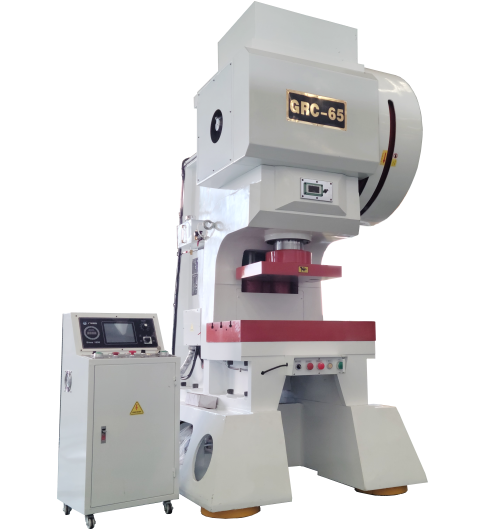
2. High-Speed Stamping Equipment
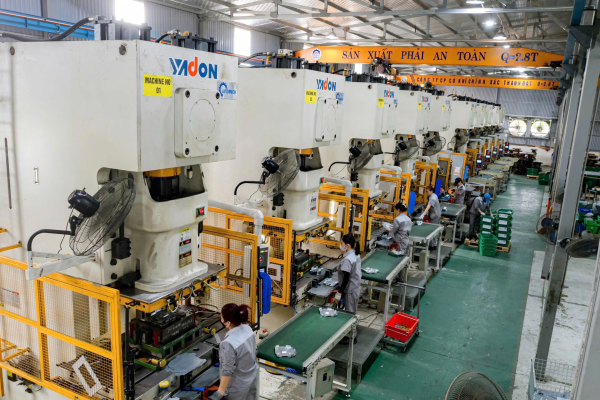
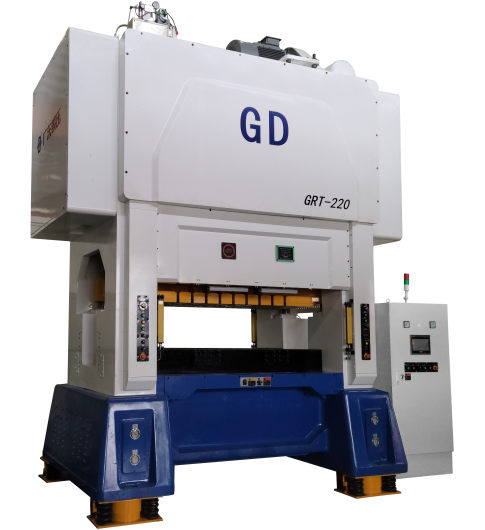
Technical requirements: 200–400 strokes/minute for stator & rotor cores. High precision at the bottom dead center (BDC) of the ram/slide is crucial to ensure quality during in-die automatic core stacking.
Machine Characteristics
- ✓High speed, superior precision & rigidity
- ✓Optimized structure for carbide progressive dies → increased die life
- ✓Integrated uncoiler & leveler
Safety & Control
- ✓Electronic control, real-time fault monitoring
- ✓Malfunction → signal sent → immediate press stop to protect the die
Leading Brands
The above press brands are known for their feeding accuracy, rigidity, and safety systems – suitable for automatic stator/rotor core stacking.
3. Modern Die Technology for Stator & Rotor Cores
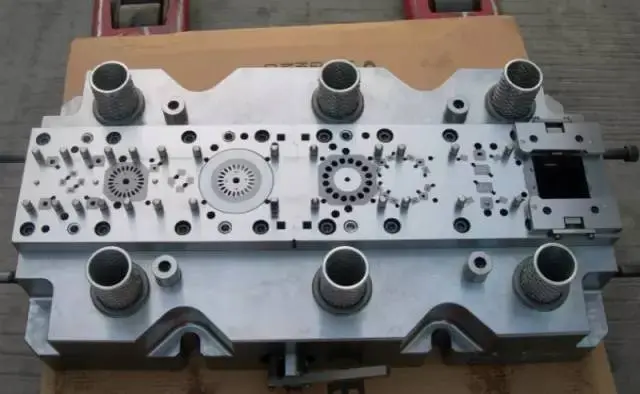
Multi-station progressive dies replace the method of separate stamping and manual assembly, delivering superior precision and efficiency.
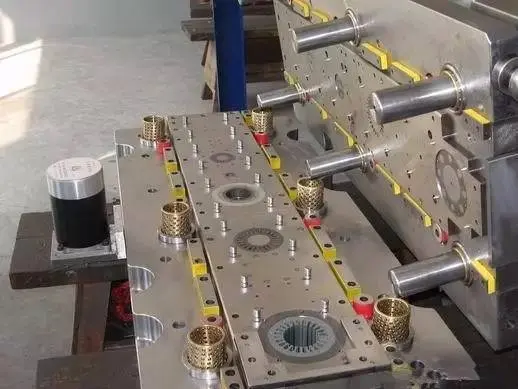
3.1. Progressive Die Overview
- ✓Integrated rotation, counting/separation, and safety mechanisms
- ✓High manufacturing precision, complex yet stable structure
3.2. Automatic Riveting/Stacking
Principle: Stamping rivet points with a specific geometry. The protrusion on one lamination fits into the recess of the next, creating a natural interference fit → tight bond, compact stack, and unidirectional burrs.
A mechanism of strip puller + cylinder + solenoid valve creates a counting hole or skips the rivet point on the last lamination to separate one core from the next.
Full Interlock Type
The bonding force is formed directly within the die, no external pressing needed.
Semi-Interlock Type
A very small gap remains after exiting the die → requires additional pressing to achieve the required bonding force.
4. Automatic Assembly Methods
Direct Stacking
Stamping & stacking directly, with no rotation between laminations.
Skewed Stacking
Each lamination is rotated by a small angle before interlocking – common for AC rotors. A small rotation mechanism is integrated into the die.
Rotational Stacking
Each lamination rotates by a large, defined angle (e.g., 45°, 60°, 90°) to compensate for thickness variations and improve magnetic properties. Driven by a stepper/servo motor or mechanically by the press's motion.
Combined Rotational + Skewed Stacking
Simultaneously compensates for material variations and optimizes AC motor performance based on application requirements.
5. Current Status & Development Trends
History: The US & Japan developed core stacking technology in the 1970s; China accelerated from the mid-1980s and is now approaching international standards in design & manufacturing.
6. Conclusion
Advanced stamping technology for stator/rotor cores is elevating motor manufacturing capabilities – especially for automotive motors, precision stepper motors, and small AC/DC series. To succeed, in addition to investing in precision die machining equipment, an experienced design and manufacturing team with practical expertise is the key factor.
Comprehensive Solution Consulting
PRESTEC is committed to partnering with factories to standardize stamping processes, optimize dies, and increase SPM rates to shorten cycle times, stabilize quality, and achieve sustainable production growth.
Contact PRESTEC
- Hotline 0795.215.864
- Email info@suamaycongcu.com
- Website thegioimaydap.com
- Address 9E Thanh Loc 29, Ward 1, Thanh Loc Ward, District 12, Ho Chi Minh City