



Metal Stamping Technology (Press Working)
The Foundation of Modern Manufacturing
What is Metal Stamping?
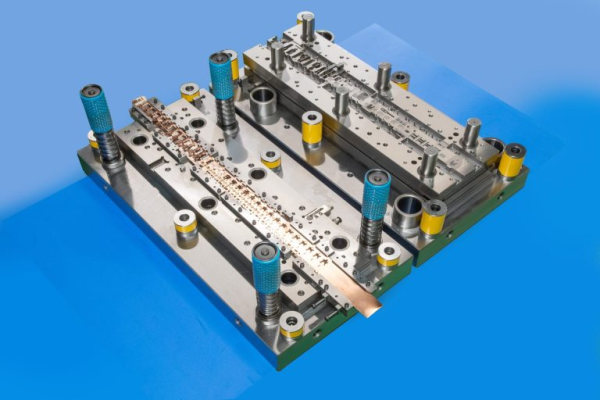
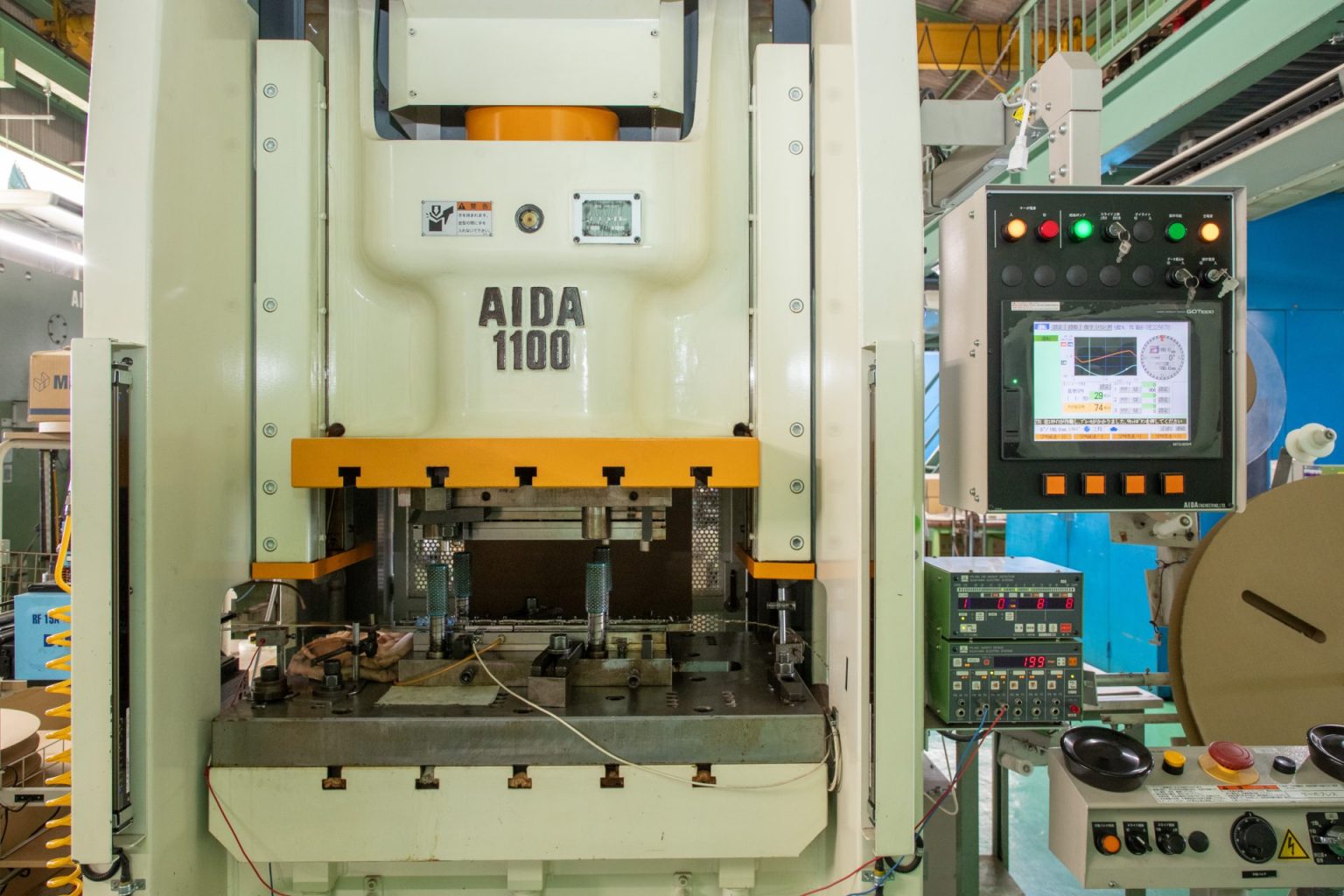
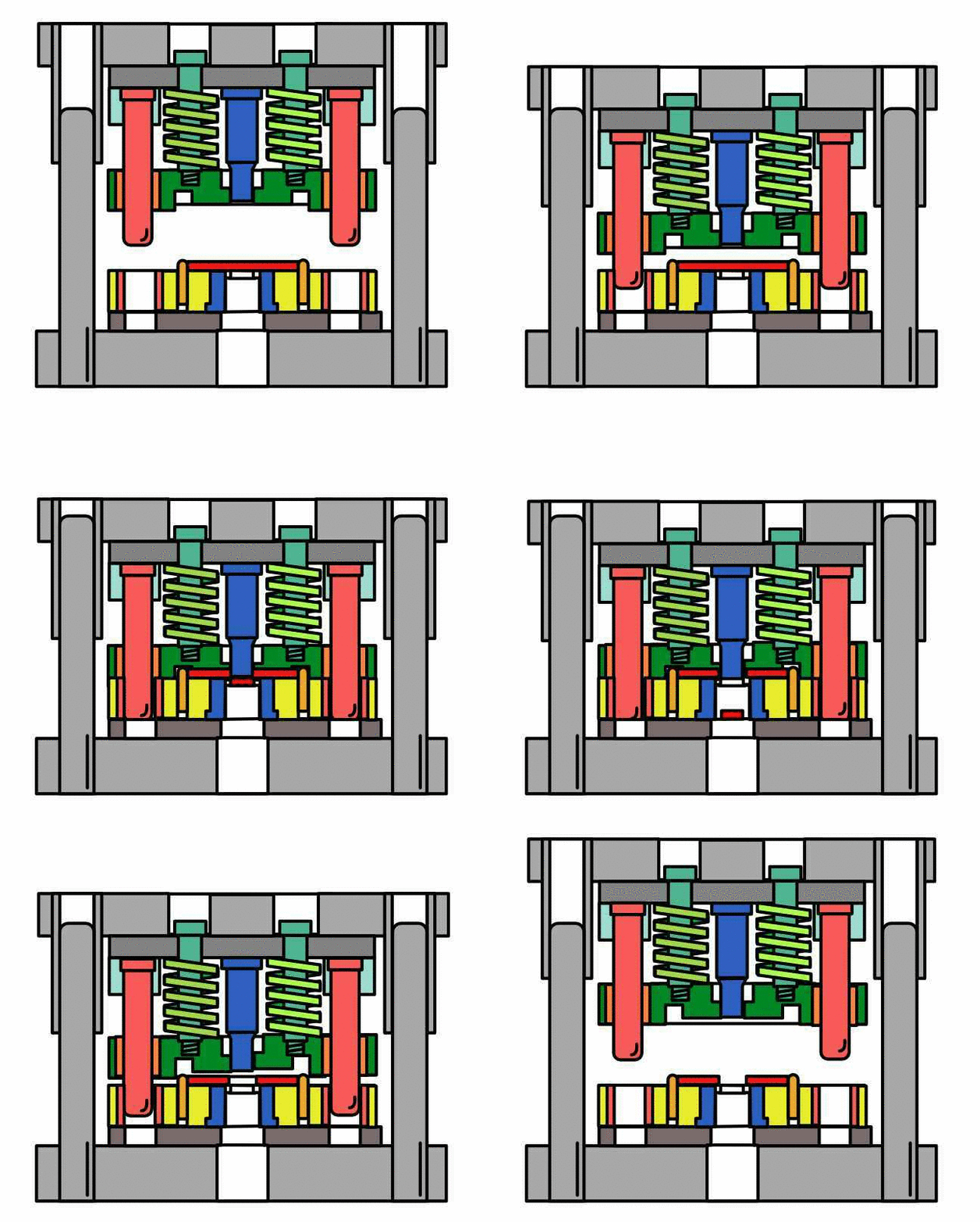
Metal stamping is a plastic deformation manufacturing process that uses immense force from a press machine to shape materials (usually sheet metal). The material is placed between a pair of dies consisting of a punch and a die. When the press applies force, the material deforms to the shape of the die.
With the ability to rapidly produce large quantities of identical products, this is an indispensable core technology for key industries such as automotive, electronics, medical devices, and robotics.
Key Advantages of Stamping Technology
Superior Productivity
Ability to produce thousands to hundreds of thousands of products per month, ideal for mass production.
Precision & Consistency
Creates products with uniform quality, meeting the strict tolerance requirements of electronic and automotive components.
Speed & Efficiency
Completes one operation in a single machine stroke, resulting in extremely fast production speeds.
Cost Savings
Minimizes material waste and is easily automated to save labor costs in mass production.
Main Disadvantage: The initial investment cost for designing and manufacturing the stamping die is relatively high, making this technology most suitable for large-volume production.
Main Types of Stamping Operations
1. Shearing
Uses force to cut, punch, or separate material along a defined profile. This is a fundamental step in most stamping processes.
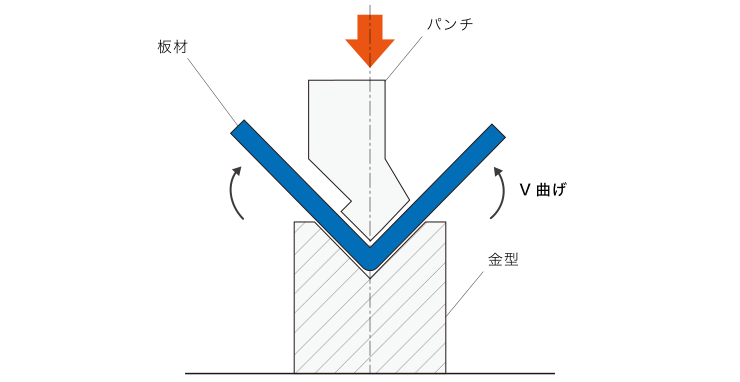
2. Bending
Deforms sheet material along a straight line to create V-shapes, U-shapes, Z-shapes, or other various bend angles.
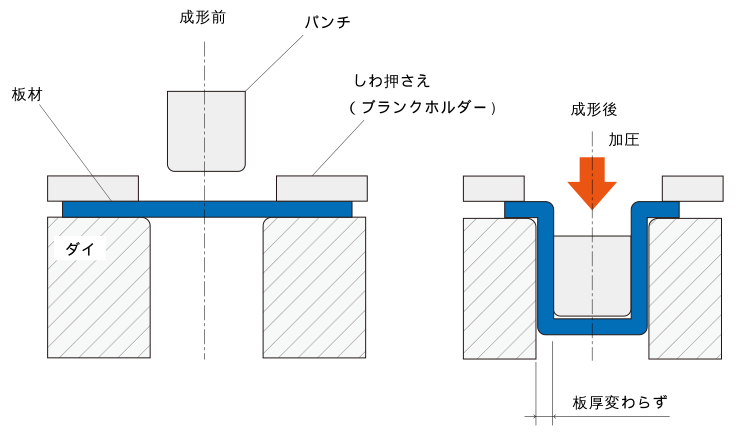
3. Drawing
Transforms a flat blank into a hollow part, creating a box or cup shape without seams, like cans or sinks.
Die Classification by Operating Method
Single-Stage Die
Performs a single operation per machine stroke. Suitable for low-volume production or simple parts.
Progressive Die
Multiple operations (cutting, bending, drawing...) are integrated into a single die set. A strip of material is fed continuously through stations to create a finished part. Ideal for mass production.
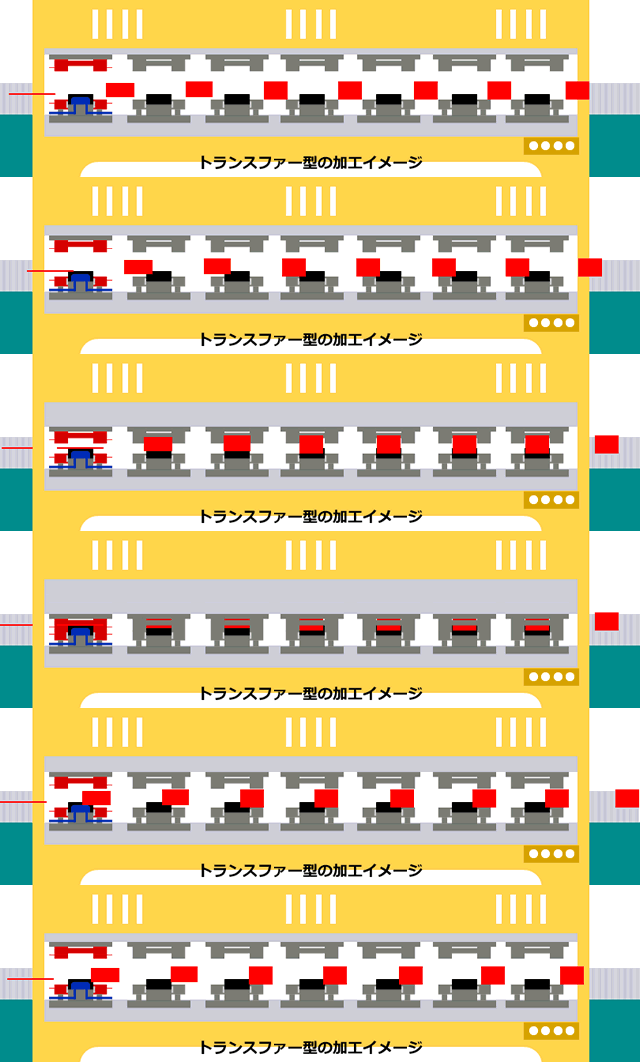
Transfer Die
Used in transfer presses, where individual blanks are moved through separate die stations by robotic arms. Suitable for large and complex parts.
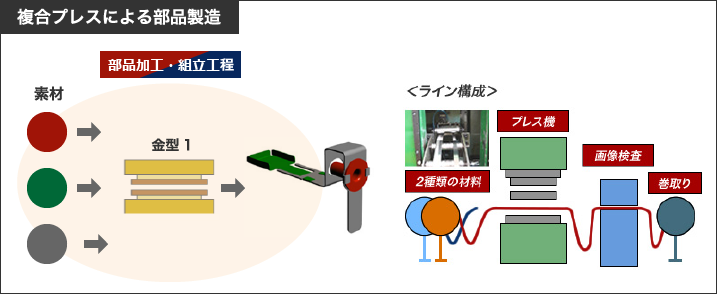
Compound Die
Performs multiple cutting operations (e.g., punching a hole and cutting the outer profile) in a single press stroke. This improves the relative positional accuracy of features.
Common Defects and Solutions
- Dimensional Errors: Caused by die wear or material springback. Requires regular die maintenance and optimization of stamping parameters.
- Burrs: Occur when the clearance between the punch and die is too large or the cutting edges are worn. Requires resharpening the die and adjusting the clearance.
- Cracks or Tears: Caused by insufficient material ductility or excessive stamping force. Requires reviewing the material and redesigning the die to distribute force properly.
- Wrinkling or Warping: Caused by insufficient blank holder force or excessive material compression. Requires adjusting the holding force and optimizing drawing parameters.
Solving these issues requires a deep understanding of die design, materials, and process optimization.
Need Advice on Metal Stamping Technology?
From machine selection and die design to process optimization, PRESTEC's team of experts is ready to assist you. Contact us now for the most suitable solution.
Hotline: +84 795 215 864 | Email: Sales@suamaycongcu.com
CONTACT OUR EXPERTS